
IPTV vs Cable vs Satellite
The 2026 comparison: price, channel choice, picture quality, contracts and flexibility — side by side.
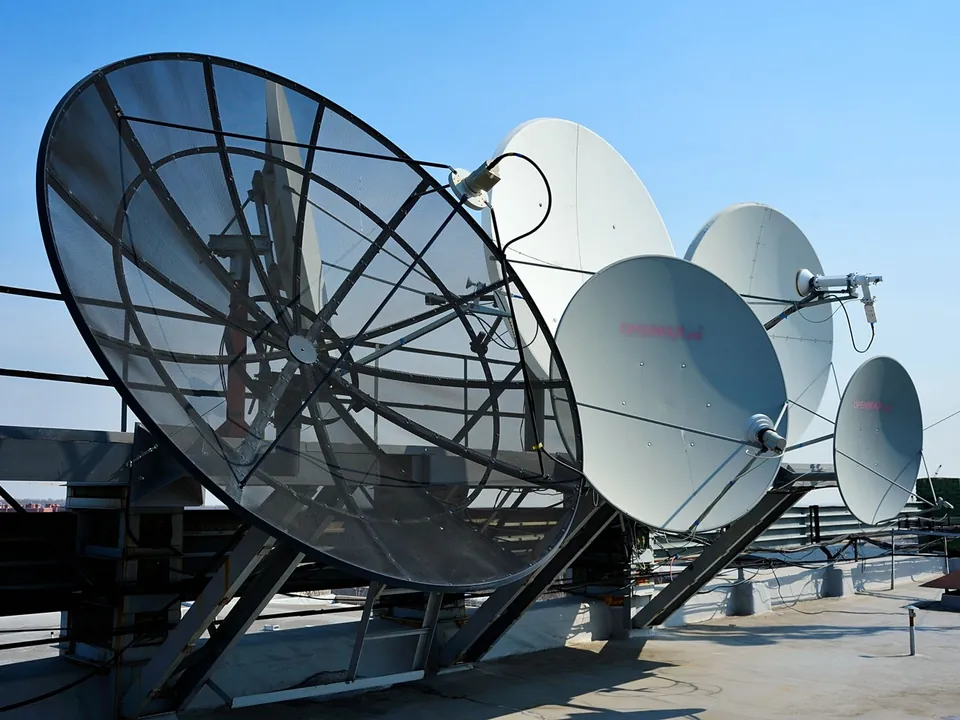
The way we watch TV quietly changed while no one was looking. Cable went from the default to the pricey old-timer, satellite kept its sports but lost its convenience, and IPTV became what most people switching today actually pick. This is an honest, side-by-side comparison for 2026 — what each one is really like to live with.
The 30-Second Summary
- IPTV: cheapest, most channels, no contract, works on any screen with internet
- Cable: familiar and reliable, but pricier bundles and rising bills
- Satellite: great rural coverage and sports history, but a dish, a box, and weather risk
Want the version you can bring to dinner? IPTV gives you more of the TV you care about for less money, with the freedom to watch on any device. The rest of this guide is the fine print.
Price — What You Actually Pay
Cable is famous for the bill that sneaks up every year. You start on a promotional price and end up paying full rate for a bundle full of channels you never open. Satellite is similar — plus installation costs and, often, multi-year contracts with early-exit penalties. IPTV flips the model: no installation, no box rental, no long contract, and plans that frankly cost a fraction of what you'd pay for a family cable package.
See an example of what modern IPTV pricing looks like on our plans page.
Channel Choice & International Content
This is where the gap between the three has become enormous. Cable and satellite sell you a fixed regional bundle — what your local company has licensed, nothing more. IPTV aggregates channels from around the world: you watch your local news AND the Premier League AND an international movie channel, all in one list that you organize with favorites and an EPG program guide. Browse what an international lineup looks like in our channel categories.
Picture Quality
Satellite picture is excellent and stable in good weather — but storms and heavy rain genuinely interrupt it. Cable is reliable and solidly HD, though most channels top out at 1080p. IPTV streams up to 4K UHD when your internet allows — and the only thing standing between you and a perfect picture is network stability, which a wired connection fully solves (our buffering guide covers the two-minute fix).
Flexibility & Devices
With cable, your TV is wherever the box is. With satellite, wherever the cable from the dish reaches. IPTV runs on the internet — so the same subscription works on your living-room TV, your kitchen tablet, and your phone on the train. It's television that follows you, not the other way around. Pick the device that suits you with our device comparison, or the Firestick guide if you already have one.
Contracts & Cancelling
Imagine cancelling cable: the phone call, the retention offers, the 30-day notice, the surprise fee. Satellite can be worse, with equipment returns and early-termination charges. IPTV subscriptions are typically month-to-month or up-front plans with no lock-in and instant activation — you stay because you want to, not because you can't leave.
So Which Should You Choose?
- You want the cheapest way to watch a lot of TV, on any screen, no contract: IPTV.
- You're happy with your cable box and never watch international content: staying put is reasonable.
- You're in a rural area with no good broadband but great sky view: satellite still has a role.
- Everyone else: IPTV is the 2026 answer.